Lower Back Pain: Causes, 6 Safe Exercises and When to See a Physiotherapist
Most lower back pain gets better with the right movement. Learn the common causes, six gentle exercises you can start at home, and the warning signs that need a doctor.
Lower back pain is one of the most common reasons people visit a physiotherapist. The good news: for most people it is not caused by serious damage, and it usually improves within a few weeks when you keep moving in the right way.
Common causes
- Muscle or ligament strain from lifting, bending or a sudden twist.
- Long hours of sitting — at a desk, in traffic or on a motorbike — with little movement.
- Weak core and hip muscles, which leave the spine to take more load.
- Disc problems, which can sometimes press on a nerve and send pain or tingling down the leg (sciatica).
- Age-related changes in the joints of the spine.
Often there is more than one cause, which is why a proper assessment matters.
Stay active — bed rest slows recovery
Long bed rest makes muscles stiffer and weaker. Gentle walking and normal daily activity, within comfortable limits, help the back recover faster. Short rests are fine; long days in bed are not.
6 gentle exercises to start with
Move slowly, breathe normally and stay in a comfortable range. Mild stretching discomfort is fine; sharp or increasing pain means stop.
- 1Pelvic tilts — lie on your back with knees bent. Gently flatten your lower back into the floor, hold 5 seconds, relax. 10 times.
- 2Knee-to-chest stretch — on your back, bring one knee towards your chest with your hands, hold 20 seconds. 3 times each side.
- 3Cat–camel — on hands and knees, slowly round your back up, then let it sag gently. 10 slow repetitions.
- 4Bridges — on your back with knees bent, squeeze your buttocks and lift your hips until your body is in a straight line. Hold 3–5 seconds. 10 times.
- 5Bird-dog — on hands and knees, stretch one arm forward and the opposite leg back, keeping your back level. Hold 5 seconds. 8 times each side.
- 6Child's pose — kneel, sit back towards your heels and stretch your arms forward on the floor. Hold 20–30 seconds.
Do these once or twice a day. If any exercise clearly makes your pain worse, leave it out and ask a physiotherapist.
Everyday habits that protect your back
- Get up and move every 30–45 minutes when sitting.
- Lift with your knees bent and the load close to your body; avoid twisting while lifting.
- Sleep on a supportive mattress; a pillow between the knees helps side-sleepers.
- Keep a regular walking routine — even 20 minutes a day helps.
When to see a physiotherapist
- Pain that is not improving after 1–2 weeks.
- Pain or tingling that travels down one leg.
- Back pain that keeps coming back.
- Pain that stops you from working, sleeping or doing normal tasks.
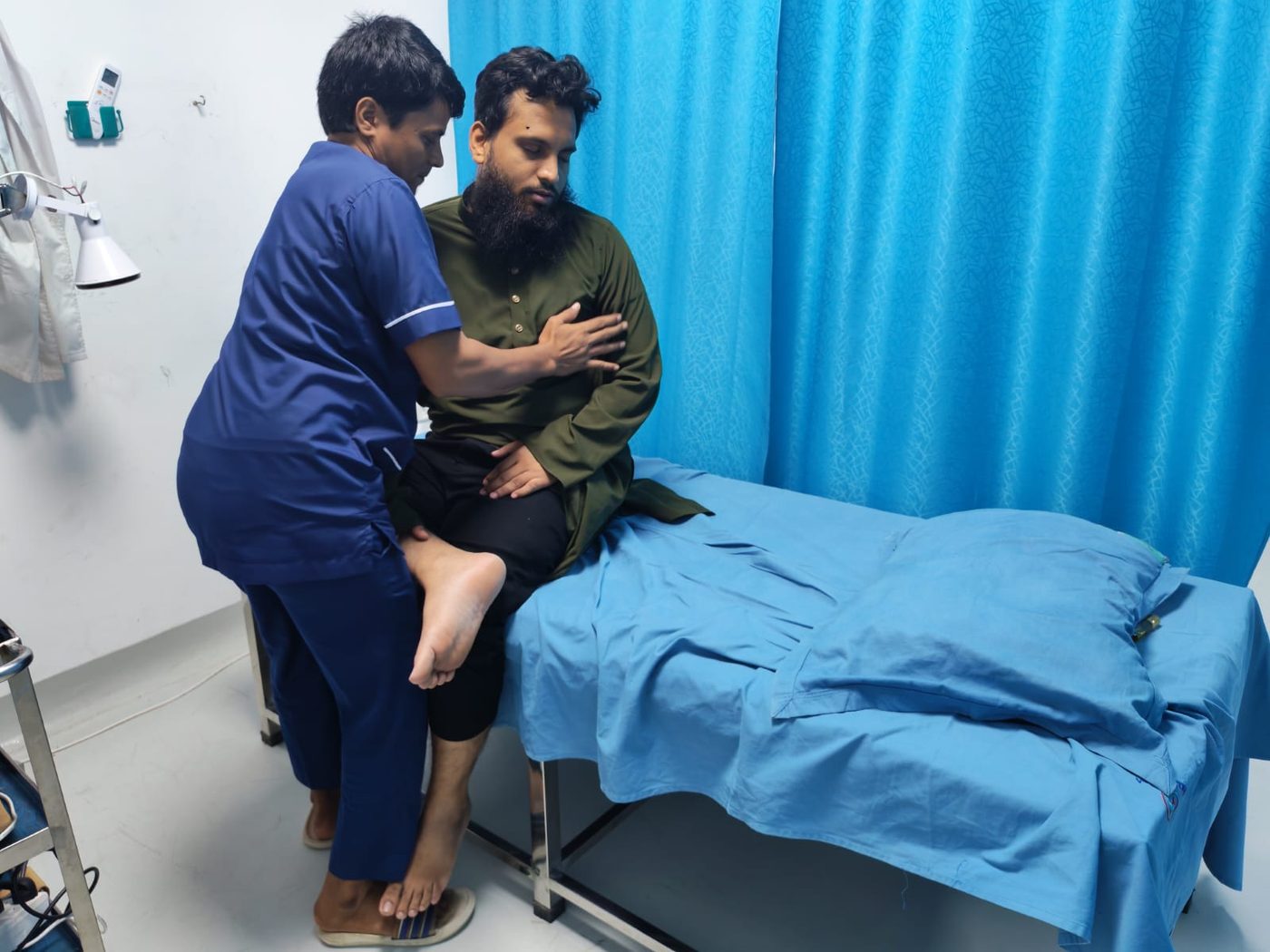
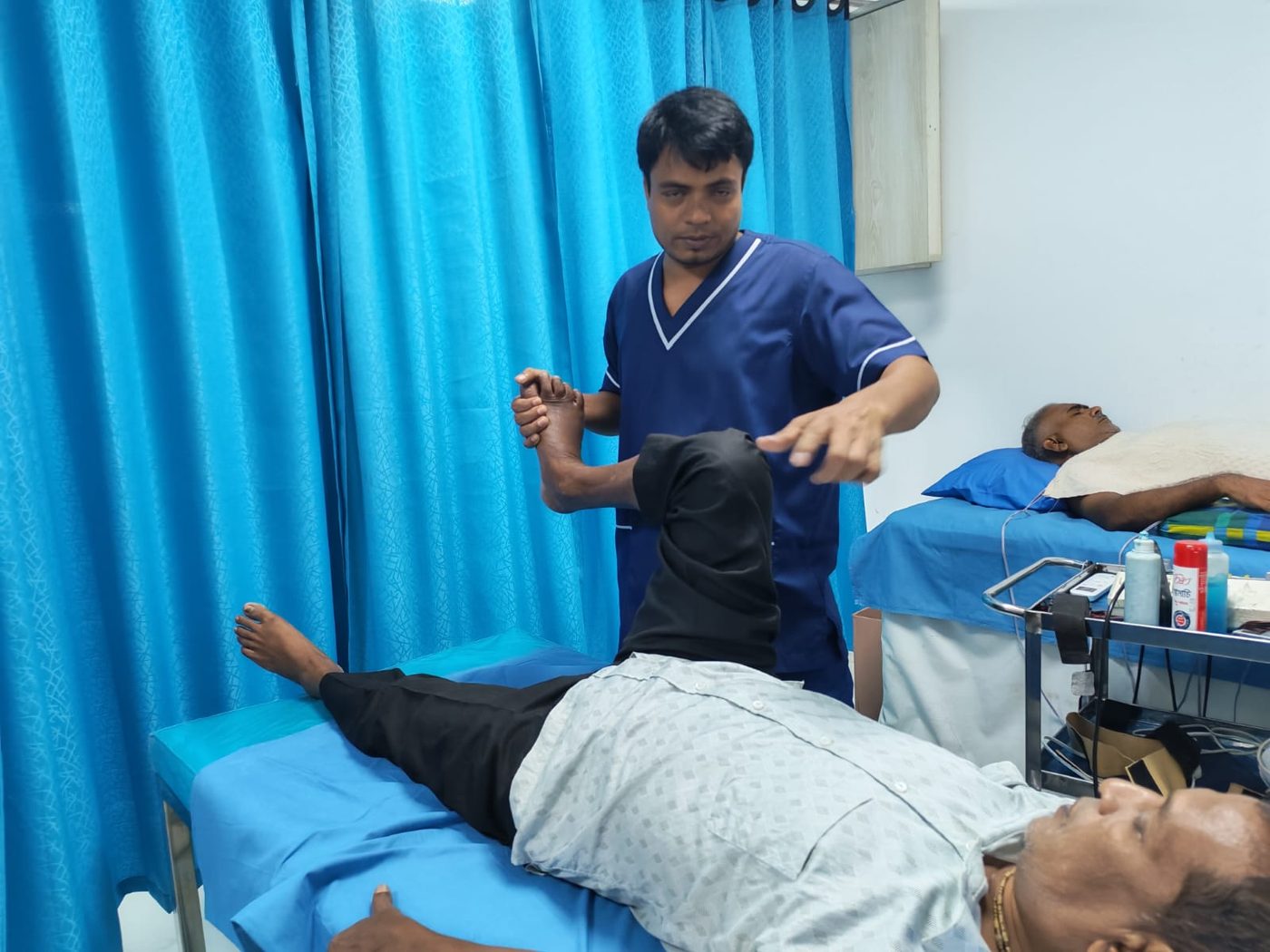
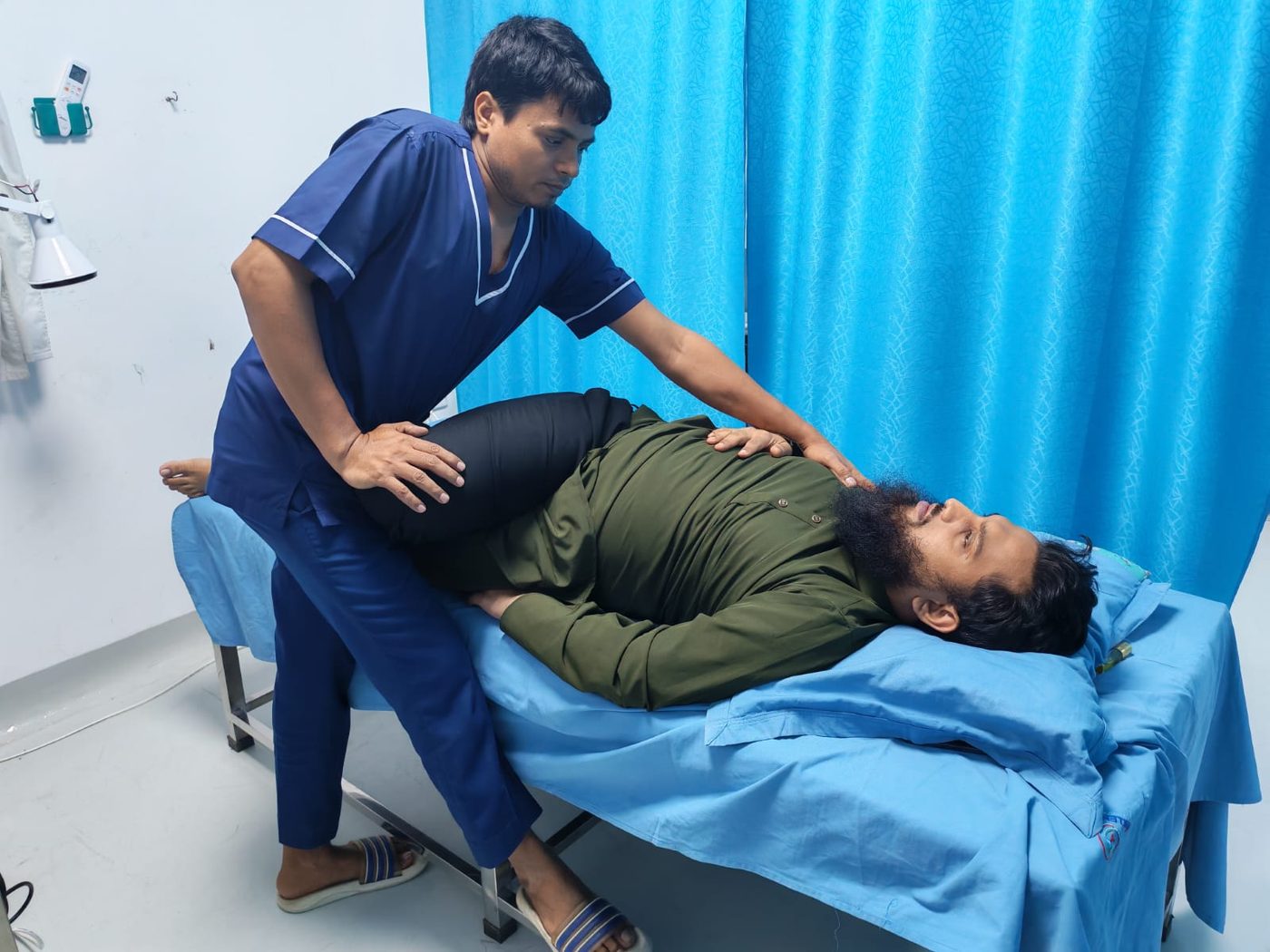
A physiotherapist will assess how you move, find what is driving the pain, and build a plan that may include hands-on therapy, specific exercises, posture and lifting advice, and electrotherapy where useful.
Warning signs — see a doctor urgently
This article is general information, not a diagnosis. Every back is different — if your pain is not settling, book an assessment.
This article is for general education and is not a substitute for a personal medical assessment.