Knee Pain and Osteoarthritis: Best Exercises and Daily Tips
Exercise is one of the most effective treatments for knee osteoarthritis. Here are simple strengthening exercises, how much pain is okay, and daily tips to protect your knees.
Knee osteoarthritis is a common cause of knee pain in middle age and later life. The cartilage in the joint slowly wears and the joint becomes stiff and sore, especially on stairs, when standing up, or after sitting for a long time.
Many people think they should rest an arthritic knee. In fact, exercise is one of the most effective treatments: stronger muscles take load off the joint, and movement keeps it healthy.
Typical symptoms
- Pain when walking, climbing stairs or getting up from a chair.
- Stiffness in the morning or after sitting, which eases after moving.
- A grinding or cracking feeling in the knee.
- Swelling after a busy day.
Strengthening exercises to start with
Do these on most days. Start with fewer repetitions and build up over a few weeks.
- 1Quadriceps sets — sit with your leg straight, tighten the thigh muscle to press the back of the knee down. Hold 5 seconds. 10 times.
- 2Straight leg raise — lie on your back, one knee bent, lift the straight leg to the height of the other knee. 10 times each side.
- 3Sit-to-stand — stand up from a chair without using your hands if you can, then sit down slowly. 8–10 times.
- 4Step-ups — step up onto a low step with the sore leg first, holding a rail for balance. 8–10 times.
- 5Heel raises — holding a support, rise up onto your toes and lower slowly. 10–15 times.
- 6Hamstring curls — standing and holding a support, bend one knee to bring your heel towards your buttock. 10 times each side.
How much pain is okay?
A little discomfort during exercise is normal and not harmful. A useful guide: pain should stay mild to moderate (no more than about 5 out of 10) and settle back to your usual level by the next day. If it is worse the next day, do fewer repetitions next time — don't stop completely.
Daily tips for healthier knees
- Keep walking, swimming or cycling regularly — low-impact activity is good for the joint.
- If you are overweight, even a small weight loss reduces load on the knees.
- Wear supportive, comfortable shoes.
- Use a rail on stairs and avoid long periods of squatting or sitting cross-legged on the floor when your knee is sore.
When to see a physiotherapist
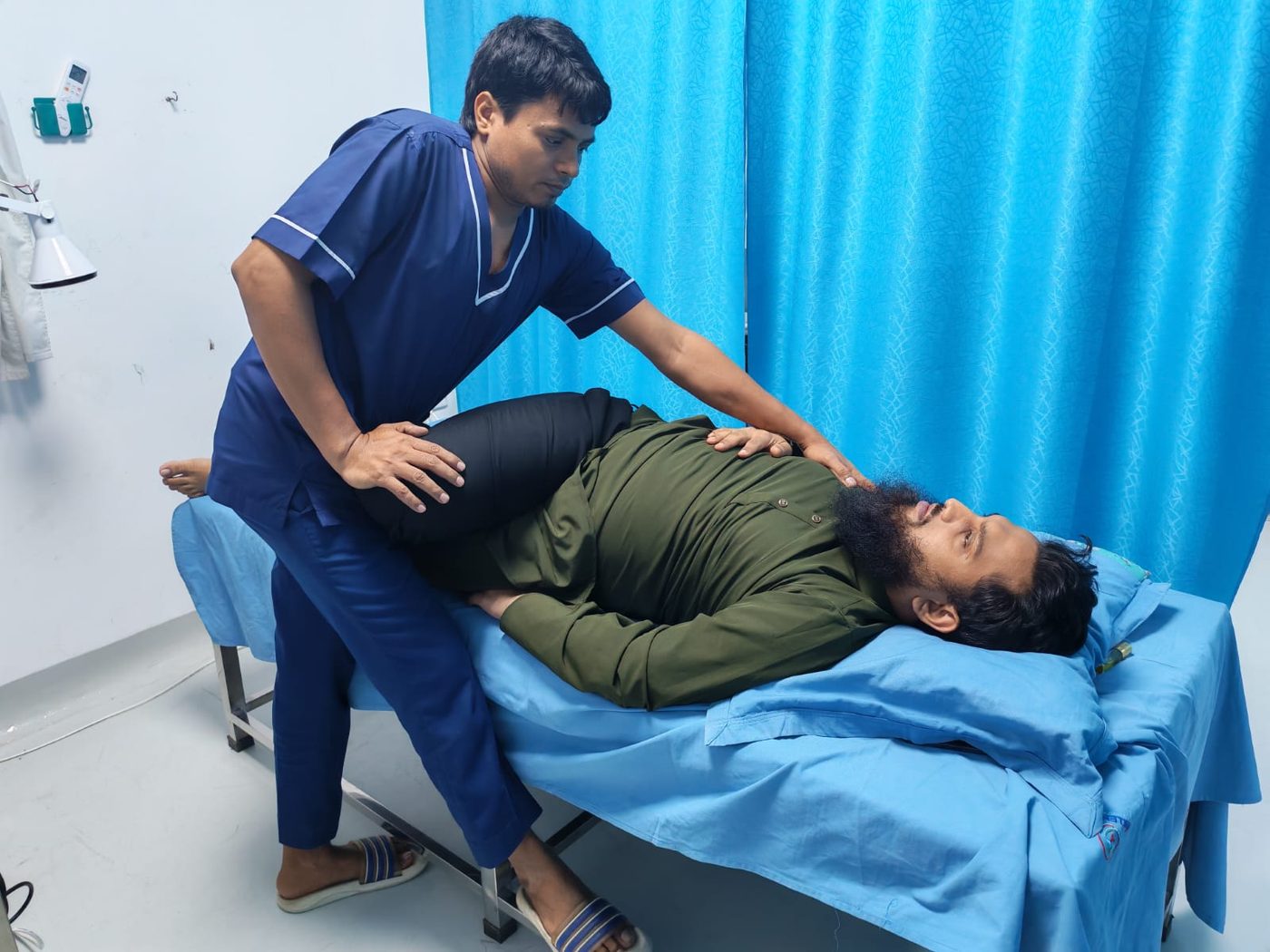
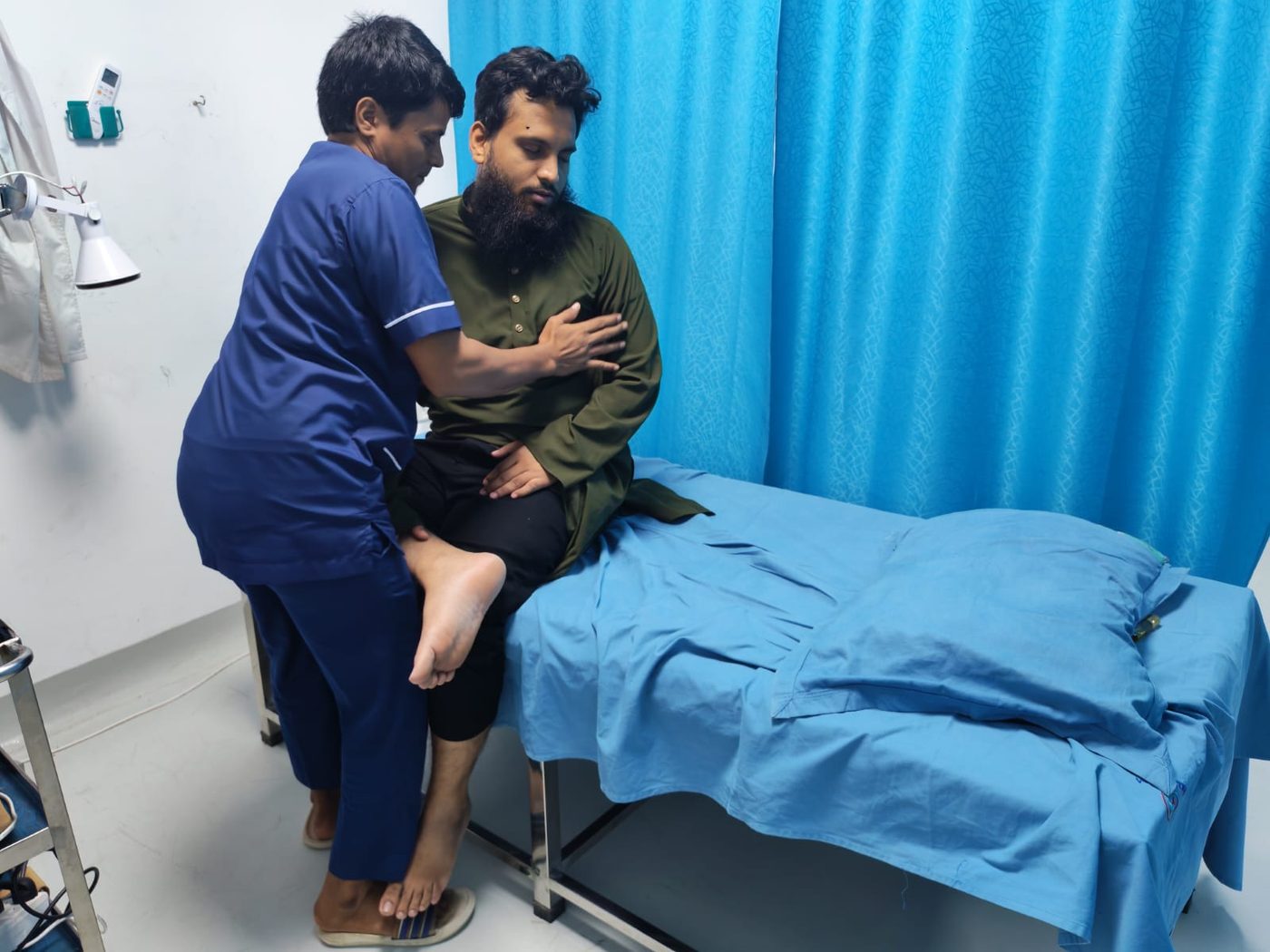
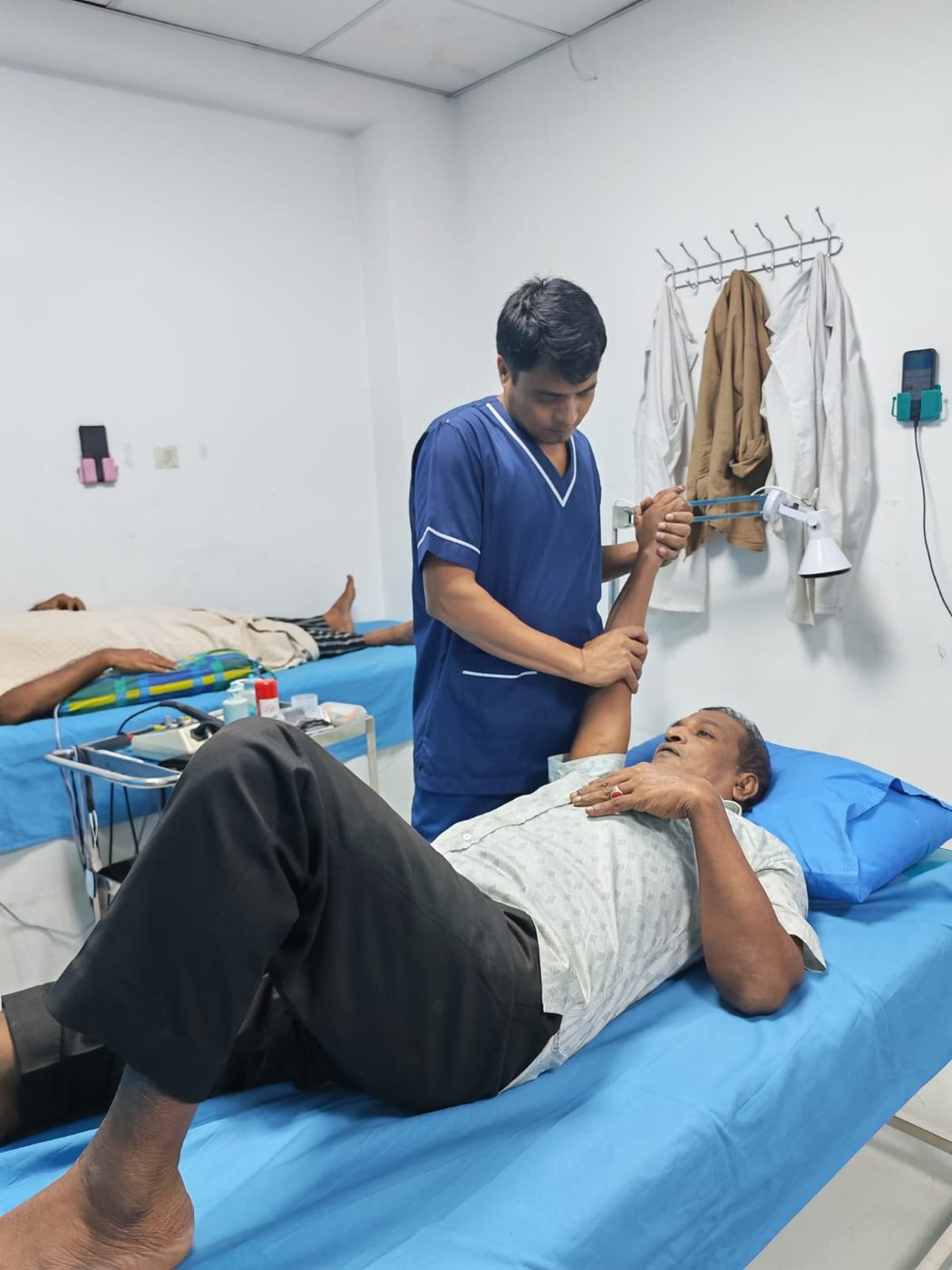
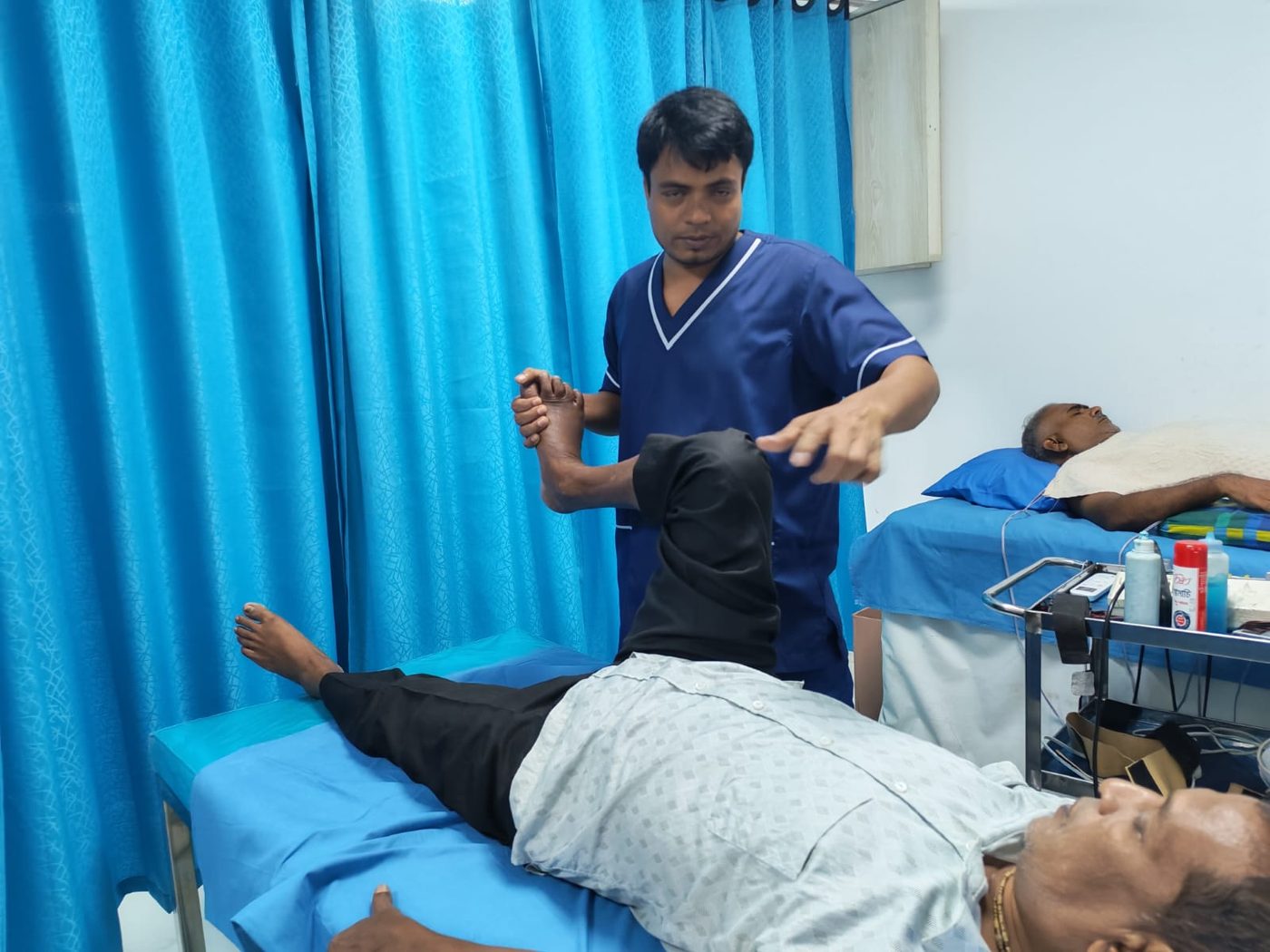
If knee pain is limiting your walking, stairs or prayer positions, a physiotherapist can assess your knee, hip and foot mechanics and design a progressive programme. Manual therapy, taping and electrotherapy may also help in the short term.
This article is general information, not a diagnosis.
This article is for general education and is not a substitute for a personal medical assessment.